Leaves Inside Human Head, Vector: A Guide to Digital Art Applications
The intersection of nature and psychology has long been a compelling subject for visual artists. The concept represented by Leaves Inside Human Head, Vector captures this duality, offering a symbolic representation of growth, mental clarity, or organic thought processes. For designers, crafters, and digital creators, this specific vector artwork serves as a versatile asset. Understanding its technical specifications, potential applications, and limitations is essential for determining whether it aligns with your creative projects.
Understanding the Asset and Its Symbolism
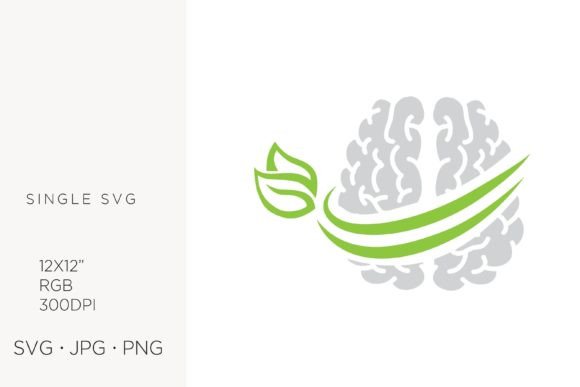
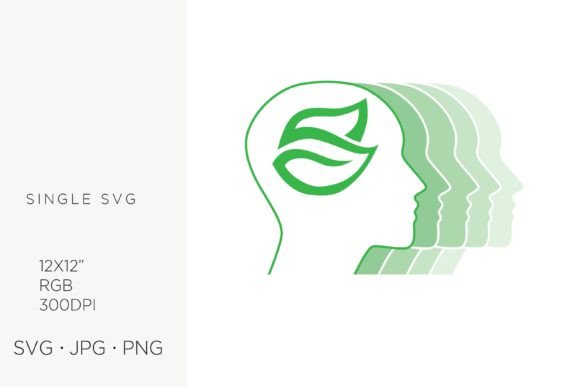
At its core, this digital graphic depicts a silhouette or outline of a human head filled with or surrounded by foliage. This imagery often resonates with themes of mindfulness, environmental consciousness, mental health awareness, and personal development. Unlike raster images, which are made of pixels, a vector file uses mathematical equations to define shapes. This means the image can be scaled infinitely without losing quality, making it ideal for both small stationery items and large wall art.
The specific package associated with this design typically includes multiple file formats to ensure compatibility across various software and hardware. A standard distribution might include an SVG file for web and cutting machines, a high-resolution JPG for general viewing, and a PNG with a transparent background for layering in design software. With an artboard size of 12x12 inches at 300 DPI in the RGB color palette, the asset is optimized for both digital display and high-quality printing.
Practical Applications for Creators
The versatility of the Leaves Inside Human Head, Vector allows it to be adapted for a wide range of mediums. Below are several contexts where this artwork proves particularly effective:
- Logo Design and Branding: For businesses focused on wellness, therapy, eco-friendly products, or organic skincare, this icon can serve as a foundational logo element. The clean lines of vector graphics ensure the logo remains crisp on business cards, websites, and packaging.
- Printed Paper Items and Stationery: The 300 DPI resolution ensures that when printed on invitation cards, announcements, or handmade cards, the details remain sharp. The transparent PNG file is especially useful here, allowing designers to place the image over textured paper backgrounds without a white box surrounding it.
- Handmade Crafts and Party Decor: Crafters using electronic cutting machines like Cricut or Silhouette will find the SVG file invaluable. It allows for precise cutting of vinyl decals, iron-on transfers, or paper layers for scrapbooking. This makes it suitable for creating custom party decor, such as banners or centerpieces for events centered around mental health awareness or nature themes.
- Web and Graphic Design: Web designers can utilize the SVG format to keep file sizes small while maintaining visual fidelity on responsive websites. The RGB color profile ensures that the colors appear vibrant on screens, making it a strong choice for blog headers, social media graphics, or digital advertisements.
Evaluating Technical Specifications
When selecting digital assets, understanding the technical deliverables is crucial for workflow efficiency. The inclusion of three distinct file types addresses different stages of the design process.
The SVG (Scalable Vector Graphics) file is the most flexible component. It is editable in programs like Adobe Illustrator, Inkscape, or CorelDRAW. Users can change colors, adjust line weights, or modify shapes to better fit their brand identity. This editability is a significant advantage over static images.
The JPG file at 300 DPI provides a universal format compatible with almost any image viewer or editor. While it lacks transparency, its high resolution makes it suitable for quick previews or projects where a solid background is acceptable. However, users should note that JPGs do not support layers, limiting their use in complex composites.
The PNG file with a transparent background bridges the gap between vector flexibility and raster ease-of-use. It is ideal for users who do not have vector editing software but still need to overlay the image onto other designs in programs like Canva, Photoshop, or Microsoft Word. The 300 DPI resolution ensures that even when printed, the edges remain smooth and professional.
Benefits and Tradeoffs
Choosing this specific vector artwork offers several benefits. Primarily, it saves time. Creating a complex illustration from scratch requires significant skill and hours of work. Purchasing a pre-made vector allows creators to focus on layout, typography, and overall composition. Additionally, the symbolic nature of the image communicates complex ideas quickly, which is valuable in marketing and educational materials.
However, there are tradeoffs to consider. Because this is a stock asset, it is not exclusive. Other designers may use the same base image, which could dilute brand uniqueness if used for a primary logo without significant modification. To mitigate this, designers should customize the colors, add unique typography, or combine the vector with other graphical elements to create a distinct visual identity.
Another consideration is the color palette. The asset is provided in RGB, which is optimal for screens. If the primary goal is professional offset printing, colors may shift slightly when converted to CMYK. Designers should perform test prints to ensure the greens and skin tones match their expectations before committing to large print runs.
When to Choose This Asset
This artwork is a strong fit for projects that require a balance of professionalism and artistic expression. It is particularly suitable for:
- Mental Health Advocacy: Organizations promoting mindfulness, therapy, or cognitive well-being can use the imagery to soften the clinical perception of mental health services.
- Eco-Conscious Brands: Companies selling sustainable products can use the leaf motif to reinforce their commitment to nature.
- Educational Materials: Textbooks or online courses discussing psychology or biology may use the image as a chapter header or illustrative aid.
When to Consider Alternatives
While versatile, this asset may not be the best choice for every scenario. If a project requires photorealism, a vector illustration will feel too abstract. In such cases, high-resolution photography might be more appropriate. Similarly, if a brand requires a strictly corporate or minimalist aesthetic, the organic complexity of leaves inside a head might clash with the desired tone. In these instances, simpler geometric icons or typography-based logos may be more effective.
Furthermore, users without access to vector editing software may find the SVG file less useful unless they are solely using it for cutting machines. For those who only need a static image for a website banner, a free stock photo might suffice, though it would lack the scalability and customization options of the vector file.
Making an Informed Decision
Ultimately, the decision to use Leaves Inside Human Head, Vector depends on your specific project goals and technical capabilities. Evaluate whether the symbolic meaning aligns with your message. Assess your software tools to ensure you can leverage the SVG file for maximum flexibility. Consider your output medium—digital or print—to determine if the RGB color profile and 300 DPI resolution meet your quality standards.
By understanding the strengths of vector graphics and the symbolic power of this specific design, creators can make informed choices that enhance their visual communication. Whether used for a subtle detail on a handmade card or a central element in a web design campaign, this asset offers a blend of aesthetic appeal and functional utility that supports a wide array of creative endeavors.