Dream, Native American Arrow: A Vector Art Guide for Creators
In the expansive world of digital design, finding assets that balance aesthetic appeal with technical versatility is a constant challenge for creators. Whether you are a seasoned graphic designer, a small business owner crafting your brand identity, or a hobbyist exploring handmade crafts, the quality of your raw materials dictates the success of your final product. One such resource that has gained significant traction in recent years is the Dream, Native American Arrow collection. This specific set of vector-based graphics offers more than just visual charm; it provides a robust foundation for a wide array of creative projects.
Understanding what makes these digital elements unique requires looking beyond the surface imagery. The collection is meticulously crafted using industry-standard tools, ensuring that every curve and line maintains its integrity regardless of scale. By exploring the technical specifications, practical applications, and strategic value of these files, you can better determine how they fit into your creative workflow.
The Technical Foundation: Why Vector Matters
At the heart of the Dream, Native American Arrow package is its creation process. These files are not simple raster images captured from a camera or scanned from paper. Instead, they are born in Adobe Illustrator, a powerful vector graphics editor. This distinction is crucial for anyone serious about design quality.
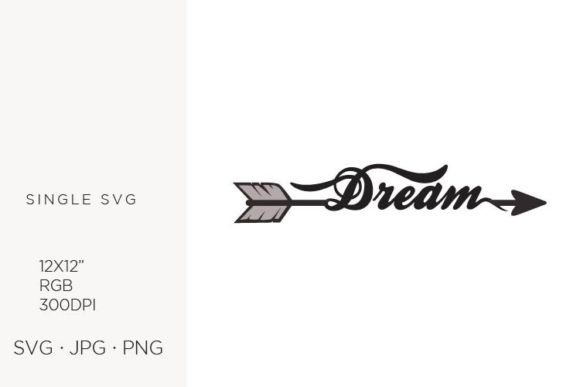
Vector graphics use mathematical equations to define shapes, lines, and colors. Unlike pixel-based images (such as standard JPEGs taken with a phone), vectors do not have a fixed resolution limit. This means you can scale an arrow icon from the size of a postage stamp to the dimensions of a billboard without losing any clarity. There is no pixelation, no blurriness, and no jagged edges. For the Dream, Native American Arrow series, this ensures that the intricate details of the feather fletching and the shaft textures remain crisp at any size.
The technical specifications provided with this collection reflect professional standards:
- Artboard Size: 12 x 12 inches, providing ample space for composition.
- Resolution: 300 DPI (Dots Per Inch) for exported raster formats, ensuring print-ready quality.
- Color Palette: RGB (Red, Green, Blue), which is optimized for digital screens and web use.
- File Formats: SVG, JPG, and PNG, offering flexibility for different software environments.
By delivering files in SVG (Scalable Vector Graphics), the creator ensures compatibility with modern web browsers and cutting machines like Cricut or Silhouette. The inclusion of high-resolution JPG and PNG files caters to users who may not have vector editing software but still need high-quality images for presentations or social media.
Versatility in Application: From Web to Wall
The true value of any digital asset lies in its adaptability. The Dream, Native American Arrow elements are designed to be modular, meaning they can be used individually or combined to create complex compositions. Here is how different creators can leverage these graphics:
Branding and Logo Design
For entrepreneurs launching new ventures, particularly those in outdoor, wellness, or heritage-focused industries, these arrows serve as excellent logo components. An arrow symbolizes direction, progress, and focus. By integrating the Dream, Native American Arrow into a logo, businesses can convey a sense of movement and tradition. Because the files are vector-based, designers can easily recolor the elements to match specific brand guidelines without compromising quality.
Printed Paper Items and Stationery
The 300 DPI resolution of the exported PNG and JPG files makes them ideal for print. Consider the following applications:
- Invitations and Announcements: Wedding invitations, baby showers, or birthday cards can feature these arrows as decorative borders or central motifs.
- Handmade Cards: Crafters can print these designs on cardstock to create unique, personalized greeting cards.
- Stationery Sets: Letterheads, envelopes, and note cards benefit from the subtle elegance of vector art.
Wall Art and Home Decor
Interior design trends often lean towards rustic, bohemian, or southwestern aesthetics. The Dream, Native American Arrow fits seamlessly into these styles. Users can print these graphics on canvas, metal, or wood to create striking wall art. Additionally, they can be used in decal projects, where the SVG format allows for precise cutting and application on windows, mirrors, or furniture.
Digital and Web Design
In the digital realm, lightweight SVG files are invaluable. They load quickly on websites and remain sharp on high-resolution retina displays. Web designers can use these arrows as bullet points, navigation icons, or decorative dividers in blog posts. The RGB color palette ensures that the colors appear vibrant and accurate on screens, enhancing the user experience without slowing down page load times.
Evaluating Suitability for Your Project
While the Dream, Native American Arrow collection is versatile, it is essential to evaluate whether it suits your specific needs. Not every project requires vector graphics, and not every design style benefits from this particular aesthetic.
When to Choose This Collection:
- You need scalability for multi-platform use (e.g., both a mobile app icon and a large banner).
- You plan to modify the colors or shapes of the elements.
- Your project involves physical production, such as printing or vinyl cutting.
- You seek a clean, professional look that avoids the "clipart" stigma of low-resolution images.
Considerations and Limitations:
It is important to note that while the source files are vector, the included JPG and PNG files are rasterized. If you only receive the raster versions, you lose the ability to scale infinitely. Always prioritize the SVG or AI (if available) files for maximum flexibility. Additionally, while the RGB color mode is perfect for screens, if you are preparing for professional offset printing, you may need to convert the colors to CMYK. Most modern design software handles this conversion well, but it is a step that requires attention to detail to ensure color accuracy.
Real-World Scenarios: Bringing Ideas to Life
To illustrate the practical utility of these assets, let us examine two distinct scenarios.
Scenario 1: The Small Business Owner
Sarah runs a boutique selling handmade jewelry. She wants to update her packaging to reflect a more earthy, artisanal vibe. She purchases the Dream, Native American Arrow pack. Using the SVG files, she adjusts the color to match her brand’s turquoise and silver theme. She then uses these customized arrows on her business cards, thank-you notes, and even as a watermark on her product photos for Instagram. The consistency across all touchpoints strengthens her brand identity.
Scenario 2: The Event Planner
Mark is organizing a corporate retreat focused on team building and forward momentum. He needs visuals for his presentation slides and printed badges. He selects specific arrow designs from the collection that imply upward movement. Because the files are high-resolution, he prints them on large foam boards for the venue without any loss of quality. The clean lines of the vector art ensure that the message is clear and professional, avoiding the cluttered look of overly complex illustrations.
Best Practices for Implementation
To get the most out of your Dream, Native American Arrow files, consider these best practices:
First, always keep a backup of the original vector files. Working on copies ensures that you never accidentally save over the master file with unwanted changes. Second, when using these elements in web design, optimize the SVG code if possible. Removing unnecessary metadata can reduce file size and improve website performance. Third, respect the cultural significance of the imagery. While these are stylized graphic elements, approaching their use with respect and context adds depth to your design narrative.
Finally, experiment with layering. Combining arrows with other elements like text, textures, or photographs can create dynamic compositions. The transparency support in PNG files allows for seamless blending over various backgrounds, giving you creative freedom to integrate the arrows into existing designs without harsh white boxes around them.
Conclusion
The Dream, Native American Arrow collection represents a valuable tool in the modern creator’s toolkit. By combining technical precision with aesthetic versatility, these vector-based assets bridge the gap between digital convenience and professional quality. Whether you are designing a logo, crafting party decor, or enhancing a website, understanding the capabilities of these files allows you to make informed decisions that elevate your work.
As you explore the possibilities, remember that the best design resources are those that empower you to express your vision clearly and effectively. With the right approach, these arrows can become more than just decorative elements; they can become integral components of your creative story.